
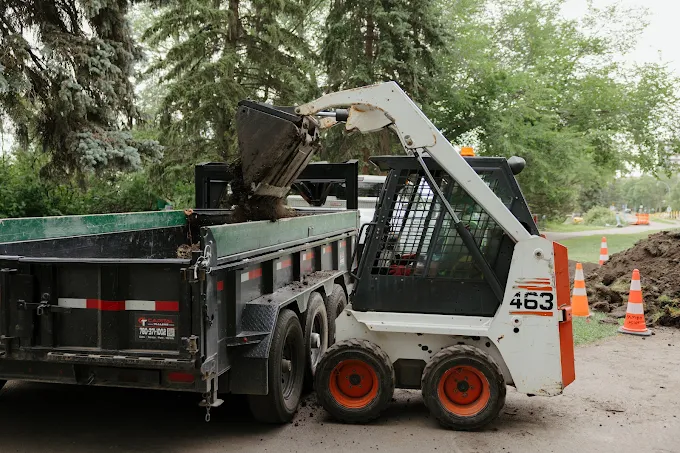
You Know What You Own. Not What It Costs You.
Most operations can list their equipment and almost none can say what each unit earned against what it cost to keep running. Service intervals live on hour meters somebody reads occasionally, major repairs get approved by phone, and the decision to buy, sell or re-rate a machine gets made on instinct.
The Symptoms, Before the Diagnosis.
Service is late, or done twice
Intervals depend on somebody reading a meter and remembering. Units go out overdue, or get serviced early because nobody could tell, and both cost money in opposite directions.
Major repairs have no paper trail
A significant spend is authorised in a phone call. When it appears on the month, reconstructing who approved what and against which unit is guesswork.
Cost per unit is unknowable
Parts, labour, fuel and downtime are recorded against the business rather than against the machine, so the expensive unit hides inside the average.
Nobody is certain where things are
Location and custody live in a dispatcher's memory and a group chat. Finding a specific attachment means phoning three people.
Asset, Fleet & Maintenance Tracking, in Scope.
Scope is set against your operation, not against this list — but this is the shape of a build in this line.
One register, one truth per unit
Every asset with its identifiers, specifications, documents, custody and history in one record — including the attachments and small plant that usually fall out of any list.
Service driven by real meters
Intervals based on the hours and dates your tickets already capture, raising work orders automatically instead of depending on someone noticing.
Approvals recorded before the spend
Repairs above a threshold you set require a recorded authorisation against the unit, so the month-end conversation is a review rather than an investigation.
Cost and revenue against the machine
Parts, labour, fuel and downtime posted to the unit that incurred them, beside what that unit earned — which is the only way the fleet decisions get made on evidence.
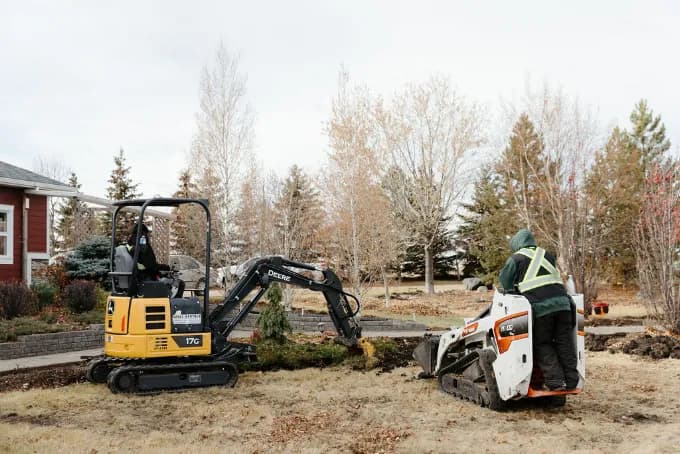
We start at capture, because everything here is downstream of whether meter readings and costs reliably reach the record. A maintenance module fed by readings someone types in monthly produces confident, wrong schedules — worse than no schedule, because people trust it.
And we keep the register boring. Asset systems fail by ambition: a model that tries to describe every possible attribute of every class of equipment is one nobody keeps current. A small set of fields that stay accurate beats a rich one that rots.
What It Looks Like When It Works.
Service happens when it is due, significant spend carries an approval, and every unit has a cost and a revenue figure against it — so buy, sell, move and re-rate decisions stop being arguments about impressions.
- We do not supply telematics or GPS hardware. Where your machines have it, we read from it; where they do not, meter capture on tickets covers the same ground.
- We do not do OEM diagnostics or machine control. Our work is the record and the decisions above it.
- We do not replace a maintenance system that is genuinely working. Where one fits, integrating with it beats replacing it, and we will say so.
Five systems → one
Kilt Contracting · live in production
A general contractor across Edmonton and Calgary consolidated jobs, approvals, documents and management visibility into one platform they own — the same consolidation problem an equipment register solves for a fleet. Client-reported.
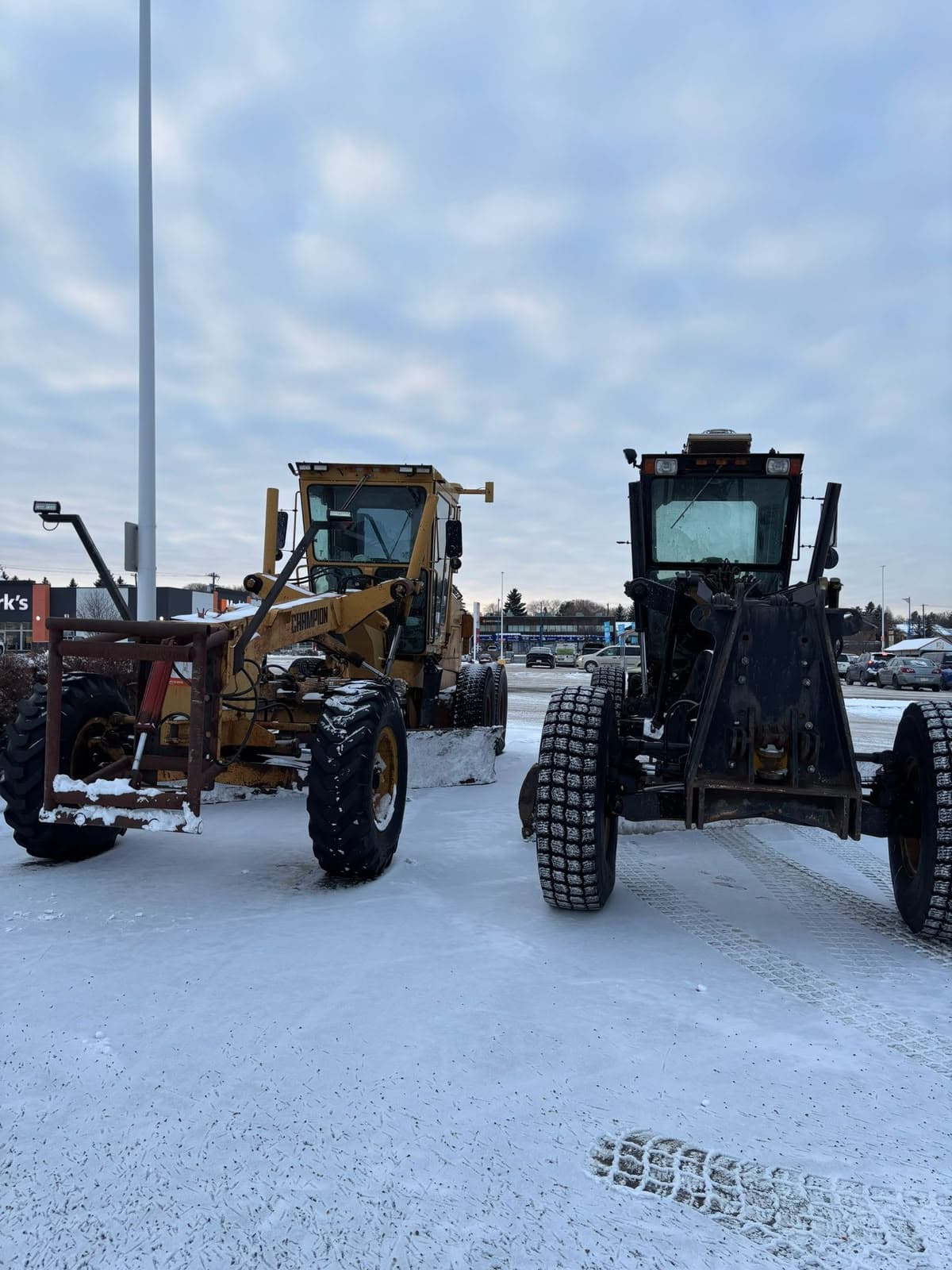
Asset, Fleet & Maintenance Tracking, Answered.
Where Do Meter Readings Come From?
From telematics where your machines have it and there is a supported way in, and otherwise from the delivery, return and field tickets your crews already complete. The second route is more common than operators expect and is usually accurate enough to schedule against.
Can It Cover Small Tools and Attachments?
It should — those are what actually go missing. The trade-off is that the more granular the register, the more discipline it needs to stay current, so we set that line with you rather than defaulting to tracking everything.
Does This Tell Us When to Replace a Machine?
It gives you the numbers that answer it: cost to keep running against what it earned, over time. The decision stays a business judgement; what changes is that it is made against a figure rather than a feeling about which machine is always in the shop.
Start with the operation, not the software
Book a 30-Minute Call.
30 minutes. We map how work moves through your business today, show you where it leaks, and hand you a costed plan — whether you build it with us or not.
Edmonton, Alberta · No commitment · 587-937-6948
Where To Go Next.
Up a level
Operational Software
Jobs, customers, approvals and documents in one system you own.
More In This Series
Legacy System Modernization
Retiring the Access database and the spreadsheet stack, without stopping work.
Internal Tools & Admin Portals
The one internal screen that replaces a spreadsheet and three logins.
Custom Web Applications
Multi-user operational web apps on a current stack, integrated and owned by you.
Mobile Apps for Field Crews
Capture on site, work without signal, sync when it comes back.
Job Costing & Margin Tracking
Know which jobs make money while they are still running.
Also Worth A Look