

AI Automation That Acts.Not Just Respond.
We're a software development company. We design, build, deploy, and operate AI agents that handle multi-step workflows end to end — intake, research, generation, routing, and follow-up — integrated directly into the tools your team already uses. We run what we ship, not just hand off a repo.
What Is AI Automation for a Business?
AI automation uses AI agents to handle repeated work inside the tools a team already uses: reading and routing inbound requests, extracting data from documents, drafting replies and updating records. AltaPro AI builds, deploys and operates AI automation for Alberta businesses, with a person approving anything that carries real consequences.
- Intake and triage
- Document extraction
- Drafting and follow-up
- Record updates across systems
- Human approval where it matters
- Built and operated for you
How Many Canadian Businesses Already Use AI Agents?
Statistics Canada's latest AI survey shows business use of AI has tripled since 2024, and chat bots are the third most common use.
19.2%
Share of Canadian businesses that used AI to produce goods or deliver services in the 12 months before the Q2 2026 survey, up from 6.1% in Q2 2024.
28.2%
Of Canadian businesses that used AI (Q2 2026), the share that used it for virtual agents or chat bots.
20.6%
Of Canadian businesses that used AI (Q2 2026), the share that used speech or voice recognition.
Figures verified against each source in September 2026.

Five Types of Agent. Infinite Combinations.
We don't sell off-the-shelf agents. As a custom software studio, we engineer each one around your specific workflow, your data sources, and the exact outcome you need — then build, test, deploy, and operate it inside your stack. It's the same approach behind our full range of AI services, proven in real client case studies.
Intake & Triage Agents
An agent that receives new requests — from a form, email, or webhook — reads the context, classifies the request, enriches it with data from your other systems, and routes it to the right person or workflow. No manual sorting.
Research & Enrichment Agents
Point the agent at a name, company, or deal — it searches your CRM, browses the web, pulls public records, and returns a structured brief. What took your team 45 minutes now takes 90 seconds.
Document & Report Generation Agents
An agent trained on your templates that drafts proposals, reports, summaries, and client-facing documents — ready for a human to review and send. Consistent format. No starting from scratch.
Monitoring & Alerting Agents
An agent that watches your data sources — job boards, procurement portals, competitor sites, CRM activity, inboxes — and surfaces the signals that matter. Your team acts on intelligence, not noise.
Multi-Step Workflow Agents
The most powerful use case: an agent that orchestrates a full workflow across multiple tools. Receive a lead → qualify it → create a CRM record → send a proposal → update the pipeline. One trigger. Zero manual steps.
Real Agents. Real Operations.
Three agents AltaPro AI has put into production, each doing work that used to sit on someone's desk. A commercial contractor gets a bid intelligence agent that watches Alberta procurement portals and produces a submission-ready proposal in under 60 seconds. A general contractor runs its whole back office on General Contractor Operations Software. And An Edmonton landscaping company went from about four hours per quote to under twenty minutes.
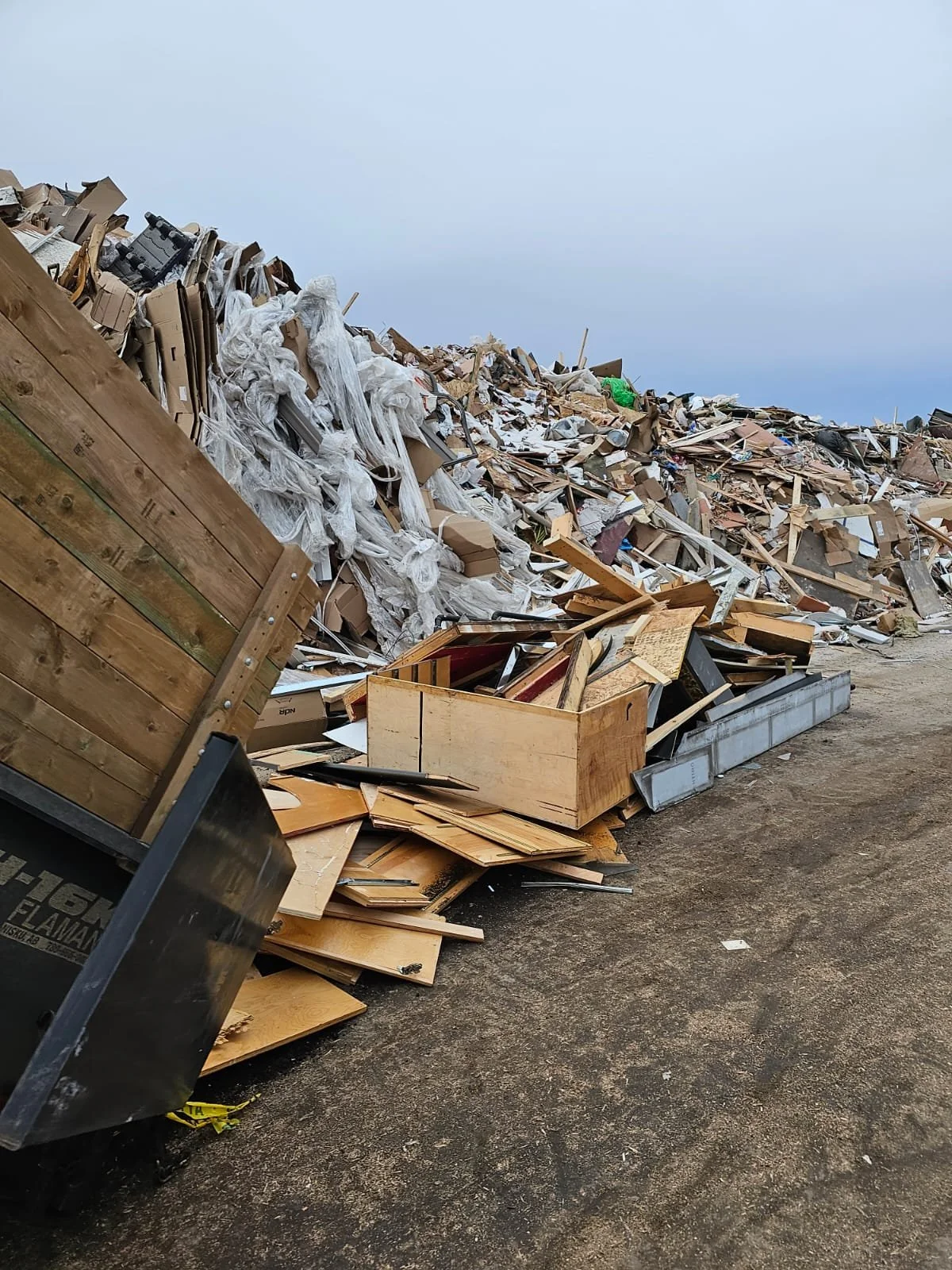 Commercial Contractor
A bid intelligence agent that monitors Alberta procurement portals, scores opportunities against their service lines, calculates estimated costs, and generates a complete proposal — ready to submit in under 60 seconds.
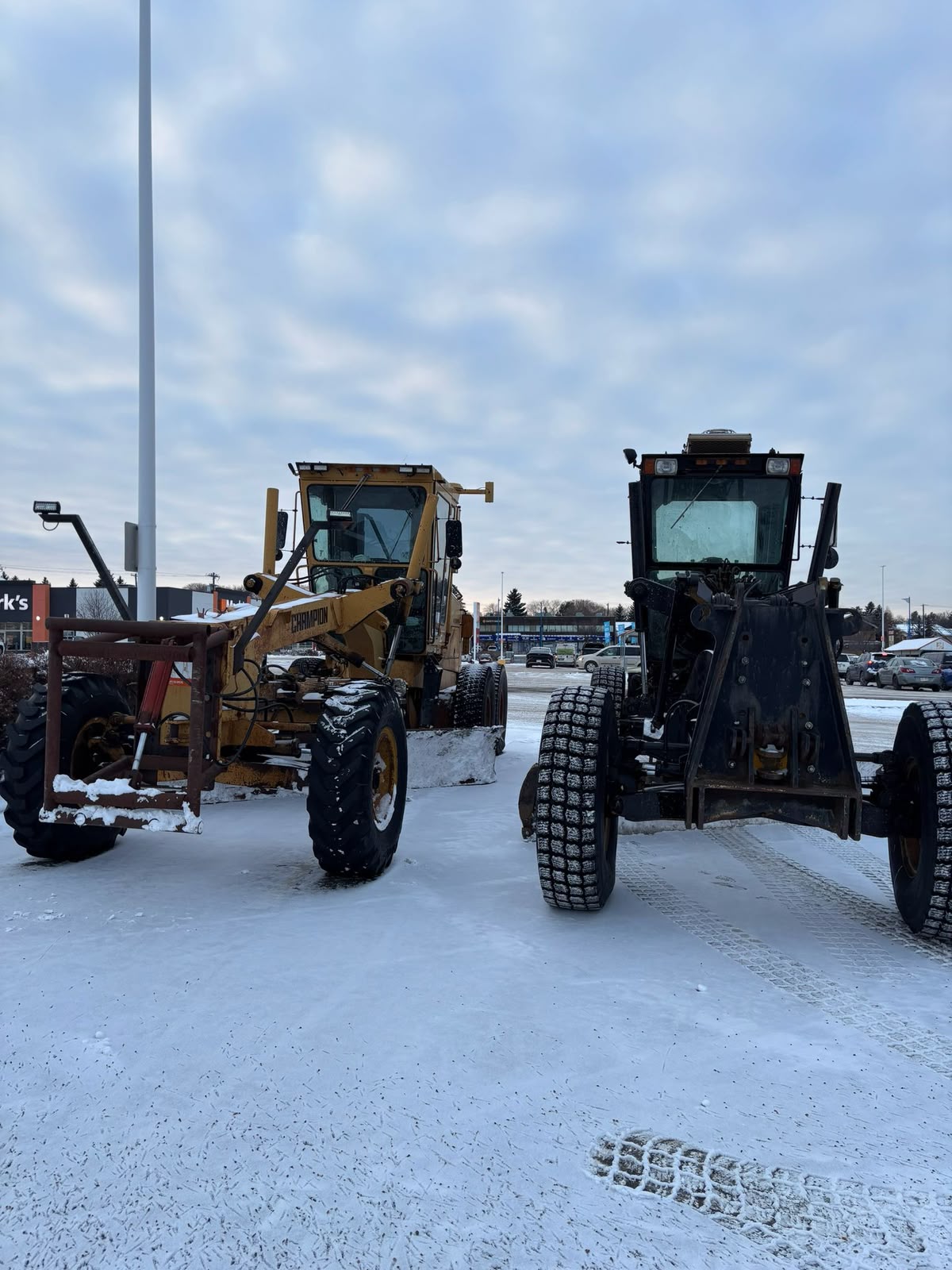 General Contractor
General Contractor Operations Software — a custom platform with an embedded AI operations layer that prepares documents, organizes communications, books calendar events and escalates decisions to the owner. Every money- or client-facing action is code-gated to draft-only, ask-first or automatic.
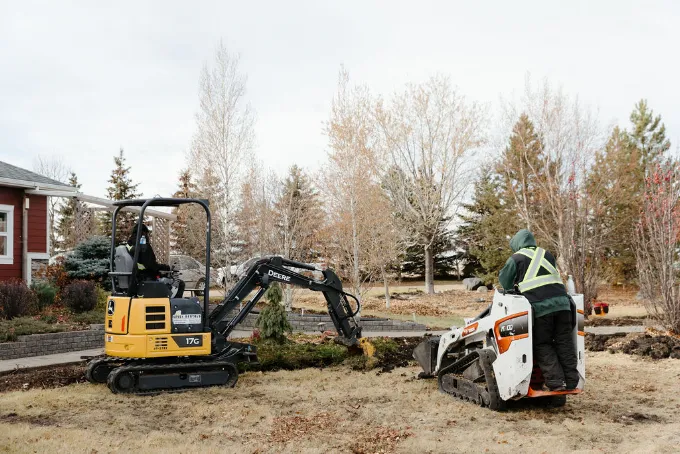 An Edmonton landscaping company
A quoting agent that reads on-site photos and a spoken walkthrough, folds them into measurements taken from satellite imagery, and prices the job on the company's own rate card. Quote time went from about four hours to under twenty minutes.
Agents That Work Inside the Tools You Already Use.
An agent is only useful if it can reach your stack. Ours plug into your custom CRM, inbox, calendar, phone system, and your own documents — reading and writing where the work actually happens — so a multi-step workflow runs end-to-end without anyone copying data between tabs.
And more — if it has an API, we can connect it.
Specifically, What Would We Build?
AI doing a specific job inside working software, with a person still in control of the output.
AI Agents, Answered.
The distinction between an agent and a chatbot is the one worth starting with: a chatbot answers, an agent acts — it reads, decides, and writes back into your systems. The six answers below cover that difference, which workflows suit an agent, how AltaPro AI AI constrains one so it fails safely rather than confidently, whether you need technical staff to run it, how long a build takes, and what it can connect to.
What's the Difference Between an AI Agent and a Chatbot?
A chatbot answers questions. An agent takes action — it can intake a request, look up information across your systems, generate documents, send emails, and update records end-to-end without a human touching the workflow. We build agents for multi-step processes, not just Q&A.
What Kinds of Workflows Can an AI Agent Handle?
Anything with repeatable steps and clear rules: lead intake and routing, quote generation, document processing, appointment coordination, follow-up sequences, data entry between systems, and report generation. If a task takes your team hours of repetitive clicking and copying, it's a candidate.
How Do You Prevent an AI Agent From Making Mistakes?
Every agent we deploy has guardrails: human approval checkpoints on high-stakes actions, strict scopes on what systems it can touch, and full audit logs of every action taken. We run supervised training rounds before launch and tighten the rules based on real usage.
Do I Need Technical Staff to Run an AI Agent?
No. We build, deploy, and maintain everything. Your team interacts with the agent's output — booked appointments, completed documents, updated records — not with the technology behind it.
How Long Does It Take to Build an AI Agent?
Scope drives the timeline, and it is agreed in writing before work starts. A single-workflow build is smaller than a multi-step one that touches several systems. We scope it in a free 30-minute call and give you a concrete timeline before any build starts.
Which of My Tools Can an Agent Connect To?
If it has an API, we can almost certainly connect it — CRMs, inboxes, calendars, accounting software, phone systems, and document stores. During the audit we map your exact stack and confirm what's reachable before we commit to a build.
Start here
Put an Agent on It.
30 minutes. We map the workflows your team handles manually, identify where an agent will have the highest impact, and show you exactly what we'd build.
30 minutes · No commitment · No pitch · 587-937-6948
Where To Go Next.
Up a level
All Solutions
Everything we build for Alberta operators, in one place.
More In This Series
AI Integration
A model connected to the systems, documents and rate cards you already run.
Customer & Partner Portals
Job status, approvals and documents your customers reach themselves.
AI Trained on Your Own Data
Answers drawn from your documents, not the open internet.
Operational Analytics & Reporting
Custom dashboards built on the data your operation already produces.
AI Consulting & Strategy
Roadmaps, readiness and an honest read on what is worth building.
Built For Your Industry
- Oilfield & Energy Services Software
- Trucking & Hauling Software
- Construction Software
- Wholesale Distribution Software
Also Worth A Look